
PFAS "Forever Chemicals": What EPA's New Rule Means for Your Tap Water
In April 2024, the EPA set the first-ever national limits on PFAS in drinking water. Here's what actually changed.
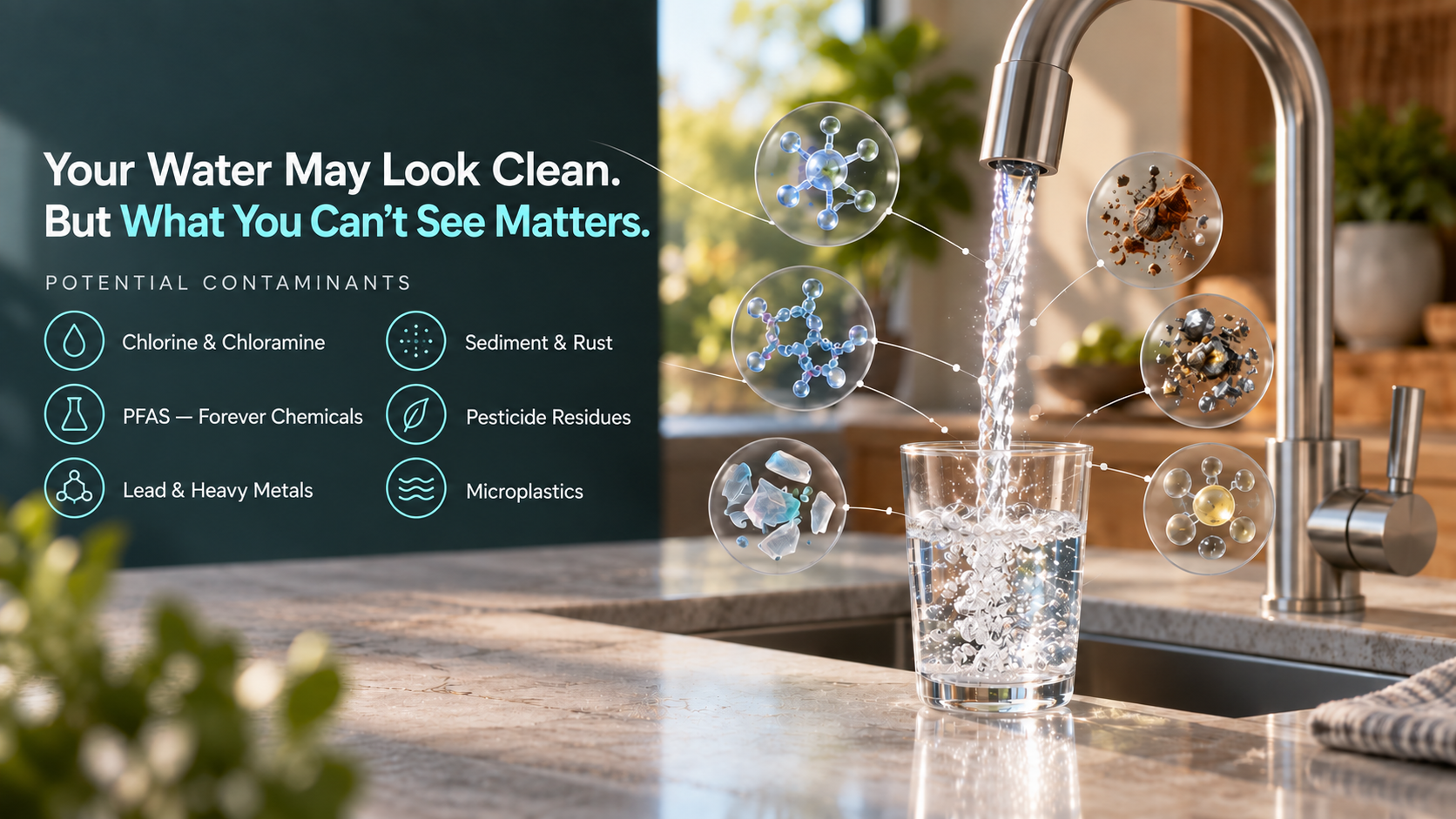
PFAS, or per- and polyfluoroalkyl substances, are a family of manufactured chemicals used for decades in things like non-stick cookware, waterproof fabric, and firefighting foam. They're often called "forever chemicals" because they don't break down naturally and can persist in soil, water, and the human body for years.
What the EPA actually did
On April 10, 2024, the EPA finalized the first legally enforceable national drinking water limits for PFAS, the first new drinking water contaminant category regulated at the federal level in decades. The rule sets limits of 4 parts per trillion for PFOA and PFOS individually, with additional limits for four more PFAS compounds and their mixtures.
What happens next, and when
Public water systems have three years from the rule's effective date to complete initial monitoring and report results in their Consumer Confidence Reports. Systems that find levels above the new limits then have five years to implement a fix, whether that's a new treatment technology or a different source. As of 2025, EPA also proposed a mechanism allowing some systems an additional two years, to 2031, to reach full compliance with the PFOA and PFOS limits specifically, while keeping the underlying legal limits unchanged.
What it means for your home right now
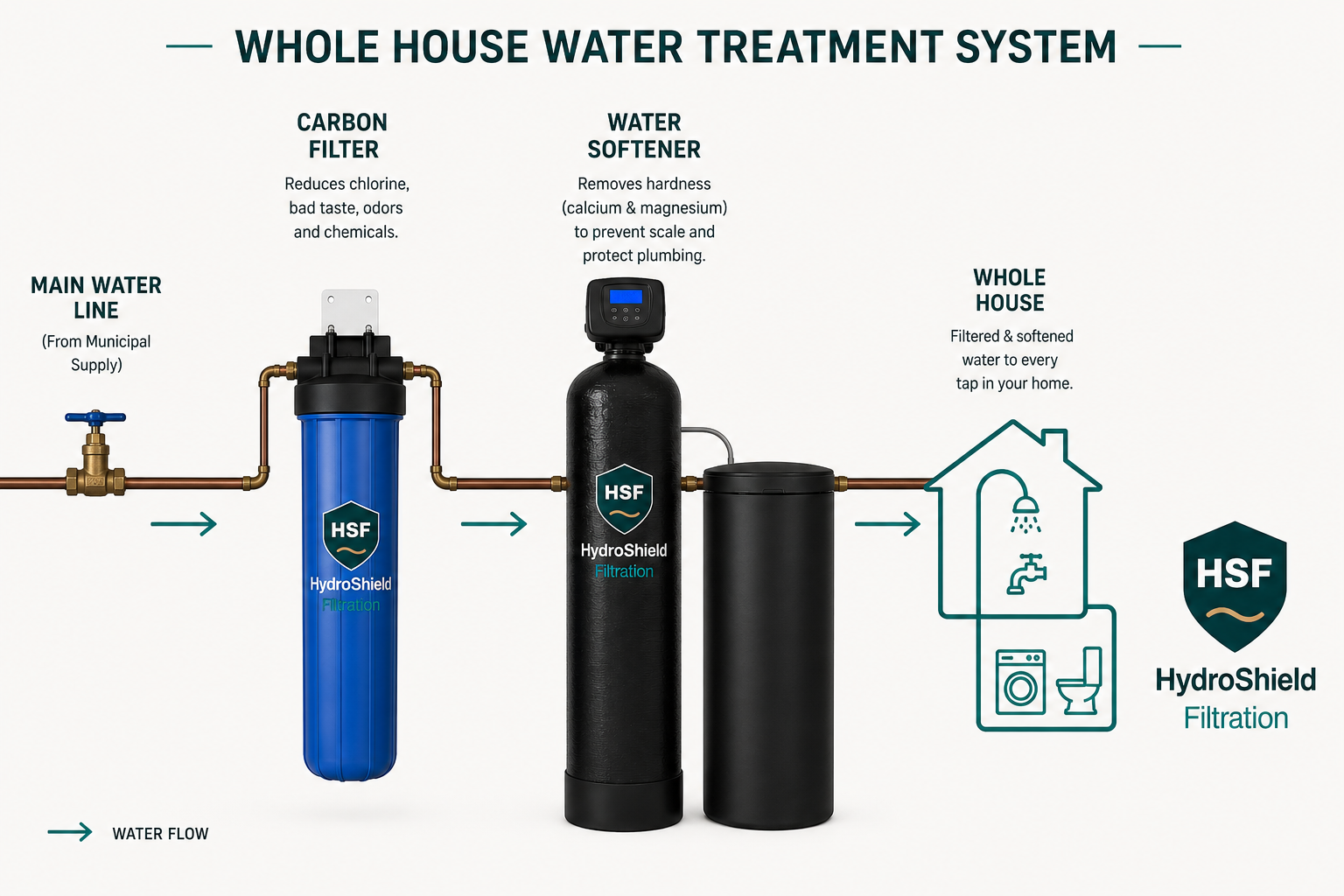
Until your utility's monitoring results are published, the honest answer is that most households don't yet know their exact PFAS numbers, since testing is still being phased in system by system. What is established: standard carbon filtration reduces some PFAS but isn't the most reliable method, while reverse osmosis is widely recognized as one of the most effective residential treatments, because its membrane is fine enough to reject these compounds at the molecular level.