

Learn About Your Water
What's actually in your tap water, locally and nationwide, and what it means for your home.
Water Quality Across the U.S.
Drinking water in the U.S. is among the most regulated in the world, but "regulated" doesn't mean "unlimited." In 2024, the EPA set the first-ever national limits on PFAS ("forever chemicals") in drinking water and finalized a rule requiring most lead service lines nationwide to be replaced within 10 years. Meanwhile, the country's water infrastructure was graded a C- in 2025 by the American Society of Civil Engineers, the same grade it received four years earlier. None of this means your water is unsafe. It means the system is aging, the rules are catching up, and knowing what's actually in your water is worth five minutes of your time.

Water in the DMV
Not everyone in Northern Virginia, DC, and Maryland drinks the same water. Most of the region draws from the Potomac River or the Occoquan Reservoir, both of which run moderately hard. WSSC Water in suburban Maryland actually serves two different sources, Potomac River water runs notably harder than water from the Patuxent River, depending on which treatment plant serves your neighborhood. Meanwhile, roughly 1.7 million Virginians rely on private wells, where hardness, iron, radon, and bacteria are common concerns and almost none of it is tested unless the homeowner does it themselves.
What Might Be in Your Water
A quick reference for common contaminants and issues. This isn't a diagnosis of your specific water, it's a starting point. A test tells you what's actually there.
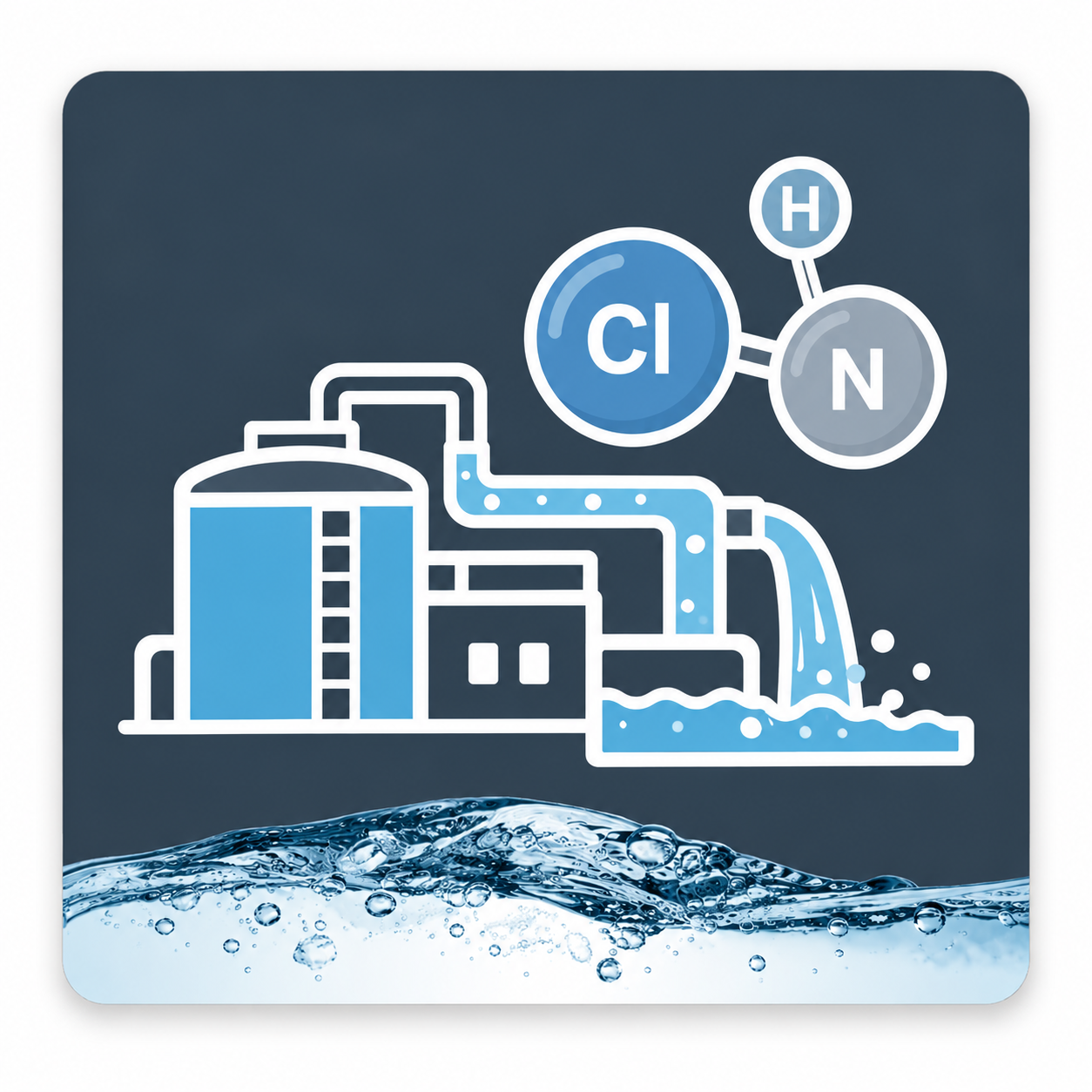
Many utilities have switched from plain chlorine to chloramine because it lasts longer on the way from the treatment plant to your tap. It still disinfects effectively, but it can leave a stronger chemical taste or smell, and it's a bit harder to filter out than chlorine alone.
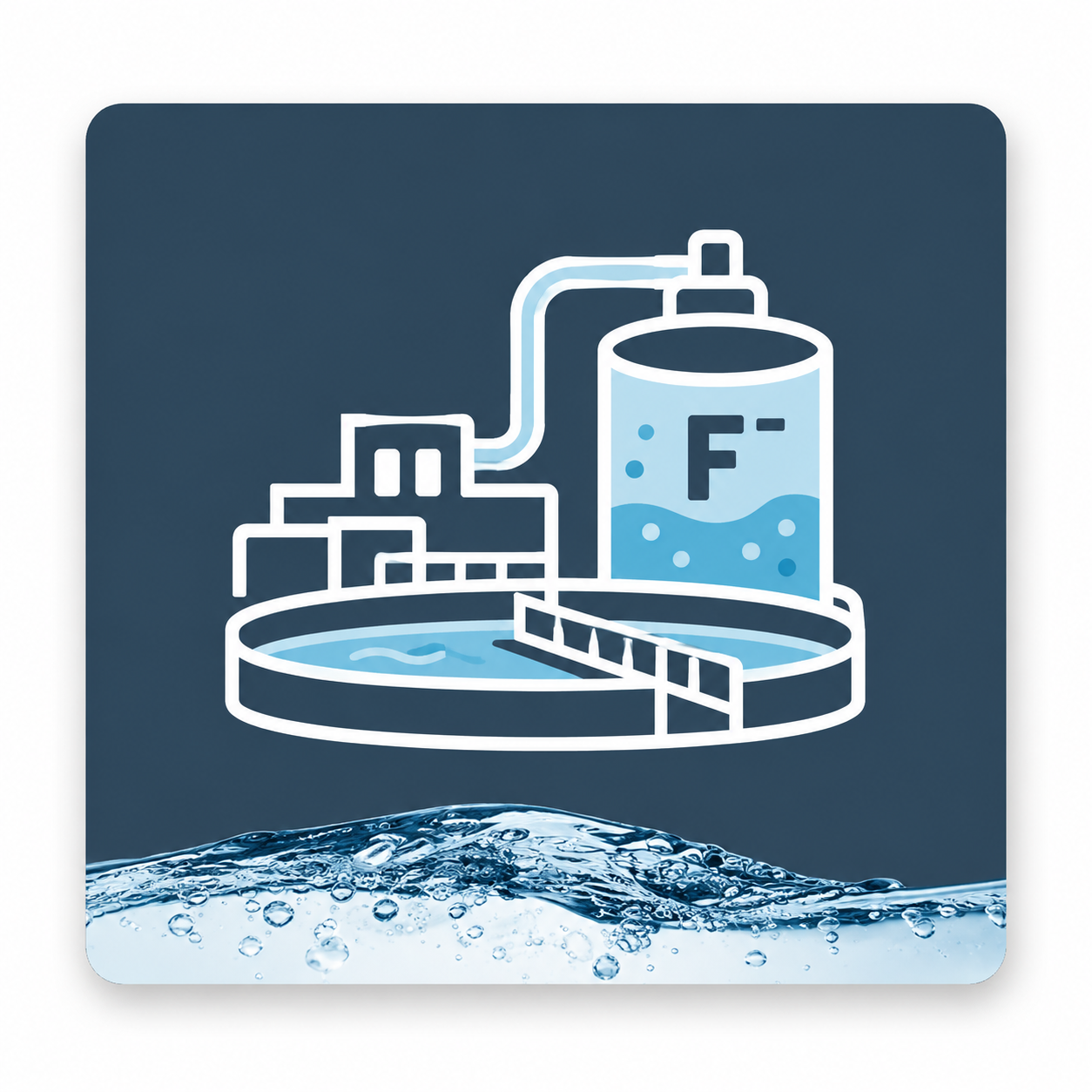
Most municipal utilities add a small, carefully controlled amount of fluoride to help prevent tooth decay — a practice that's been standard since the 1950s. It's considered safe at typical levels, though some households still choose to filter it out.
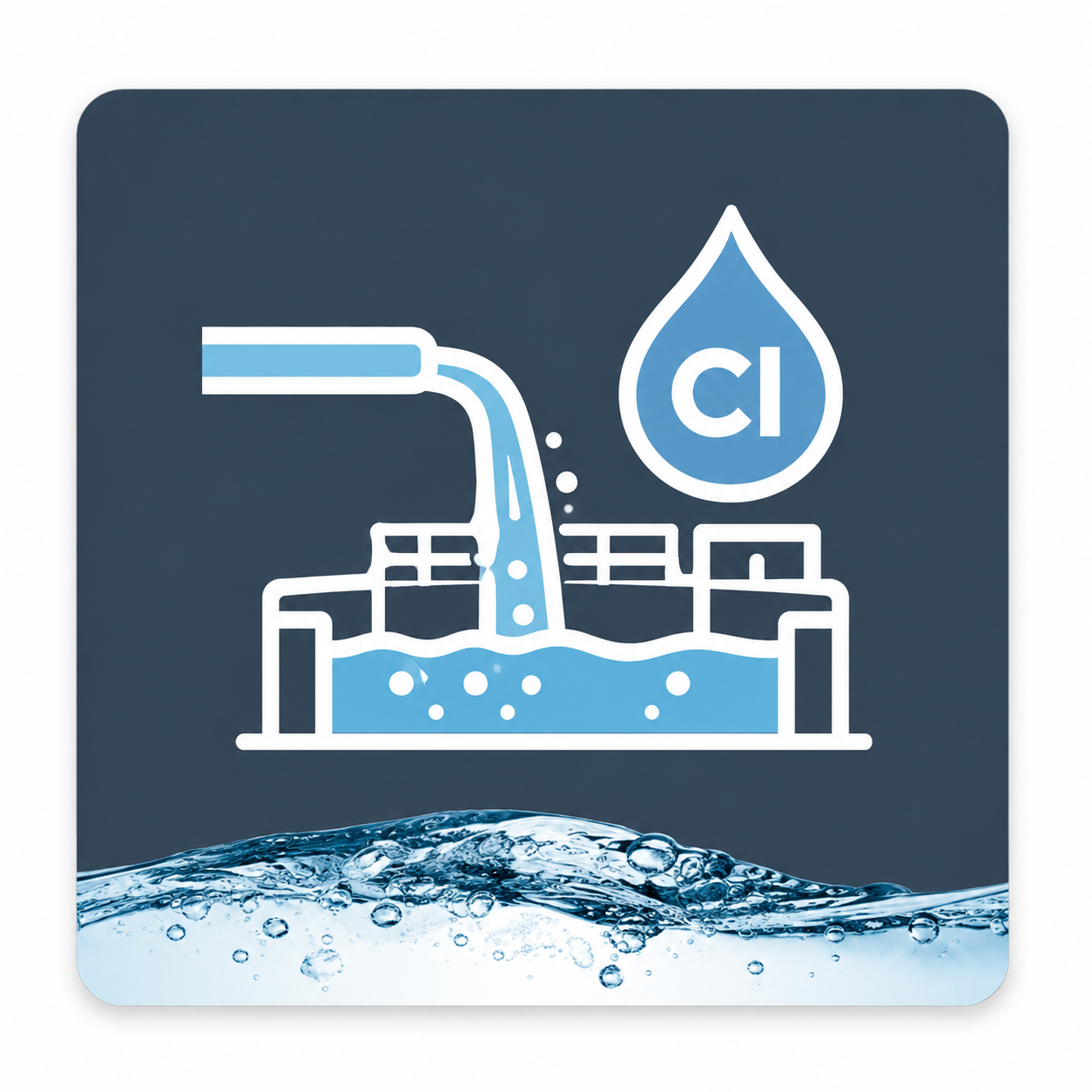
The most widely used disinfectant in U.S. drinking water, chlorine is added at the treatment plant to kill bacteria and other pathogens before water ever reaches your home. It does its job well — it's also usually the reason tap water sometimes has a faint pool-like smell.
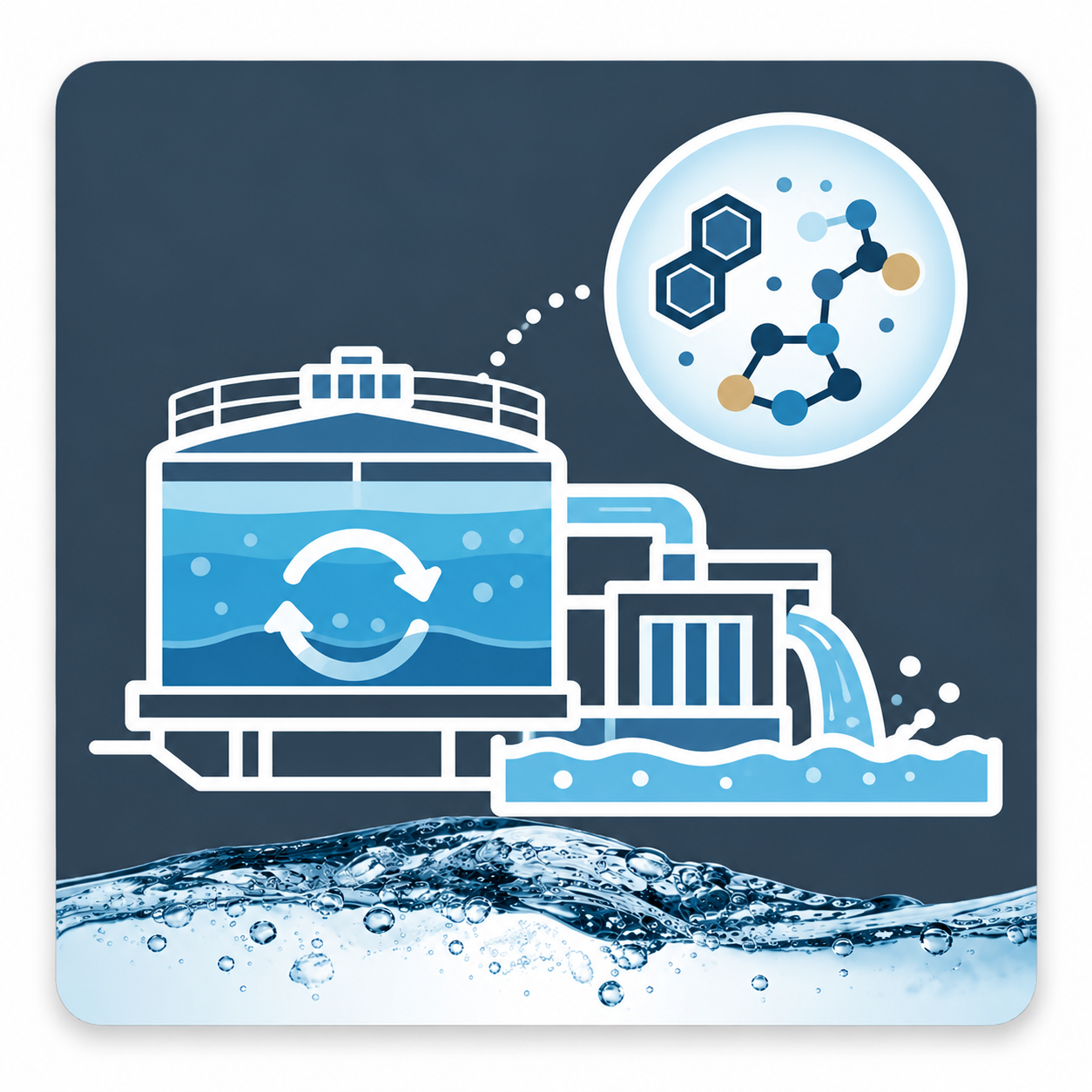
Disinfection byproducts form when chlorine or chloramine reacts with organic material already present in the source water. Fairfax Water routinely reports both TTHMs and HAA5 in its treated water, staying within EPA limits — a reminder that "disinfected" doesn't mean nothing else is there.
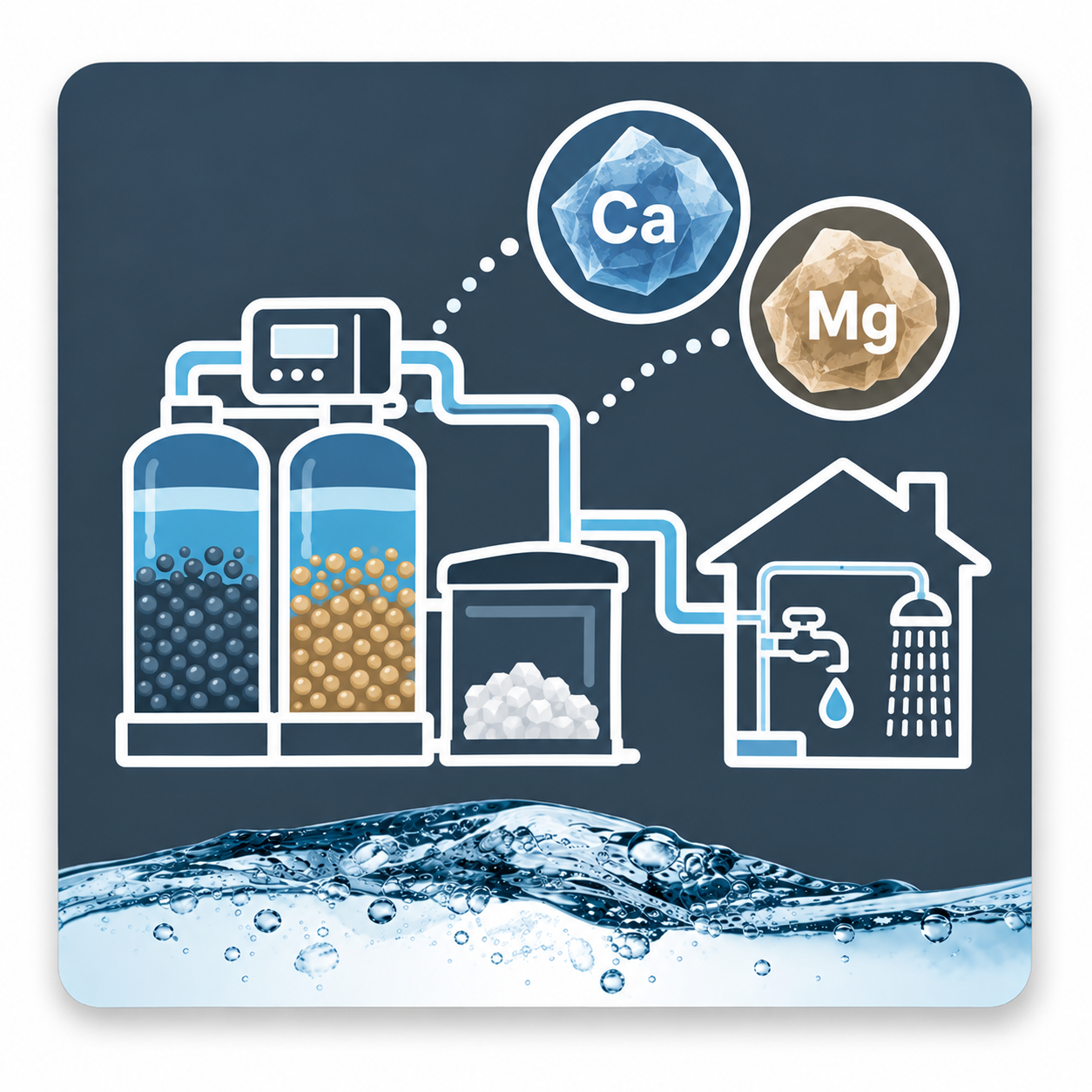
Hardness comes from calcium and magnesium naturally present in the source water, not from anything added or gone wrong. Arlington's water runs around 142 mg/L — about 8 grains per gallon, moderately hard — enough to leave spots on glassware and scale buildup in pipes and appliances over time.
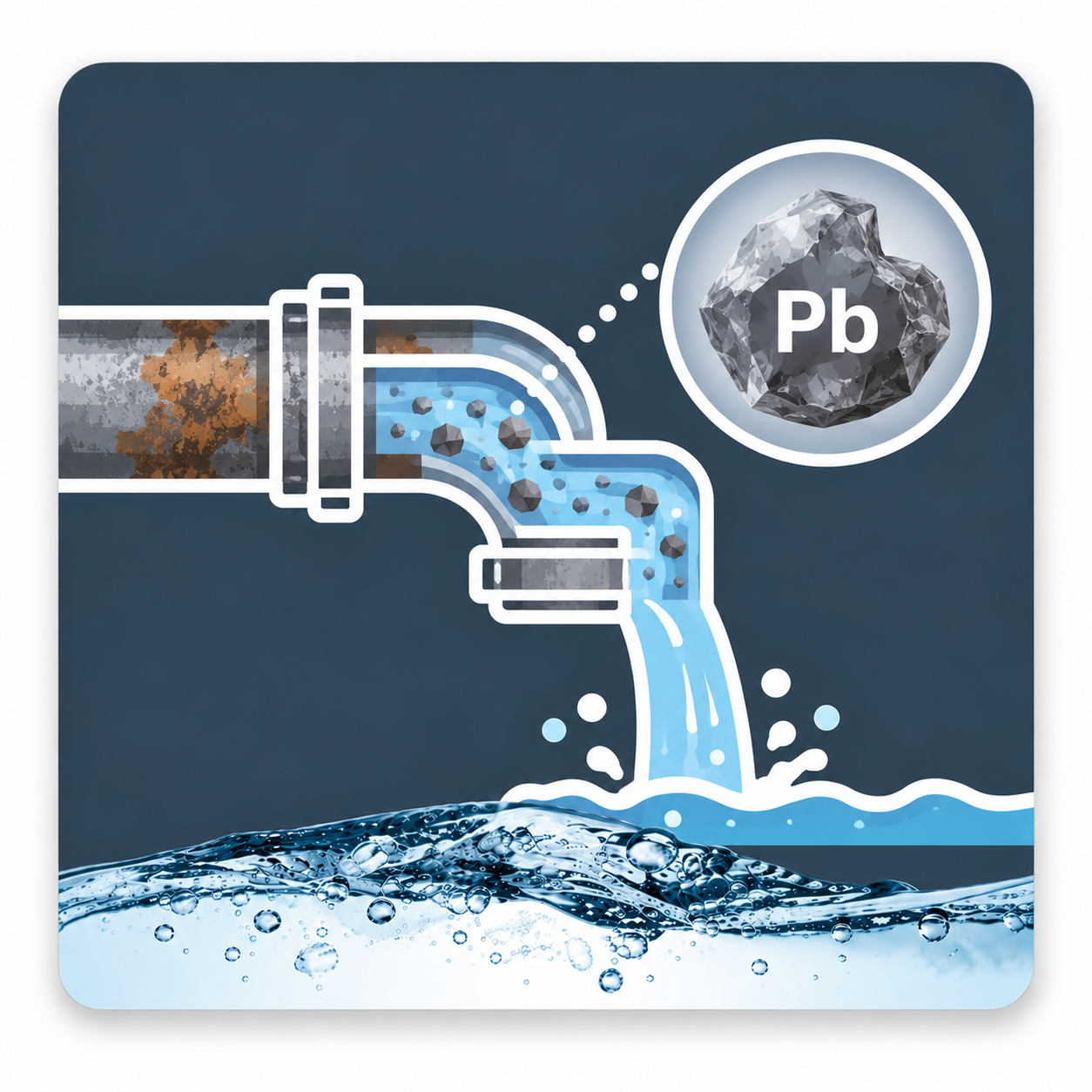
Lead rarely comes from the water itself — it's usually picked up from aging service lines, old solder, or fixtures on the way to your tap. Beyond the health concerns, including developmental effects in children and elevated blood pressure in adults, it's also a common cause of staining on dishes, laundry, and plumbing fixtures.
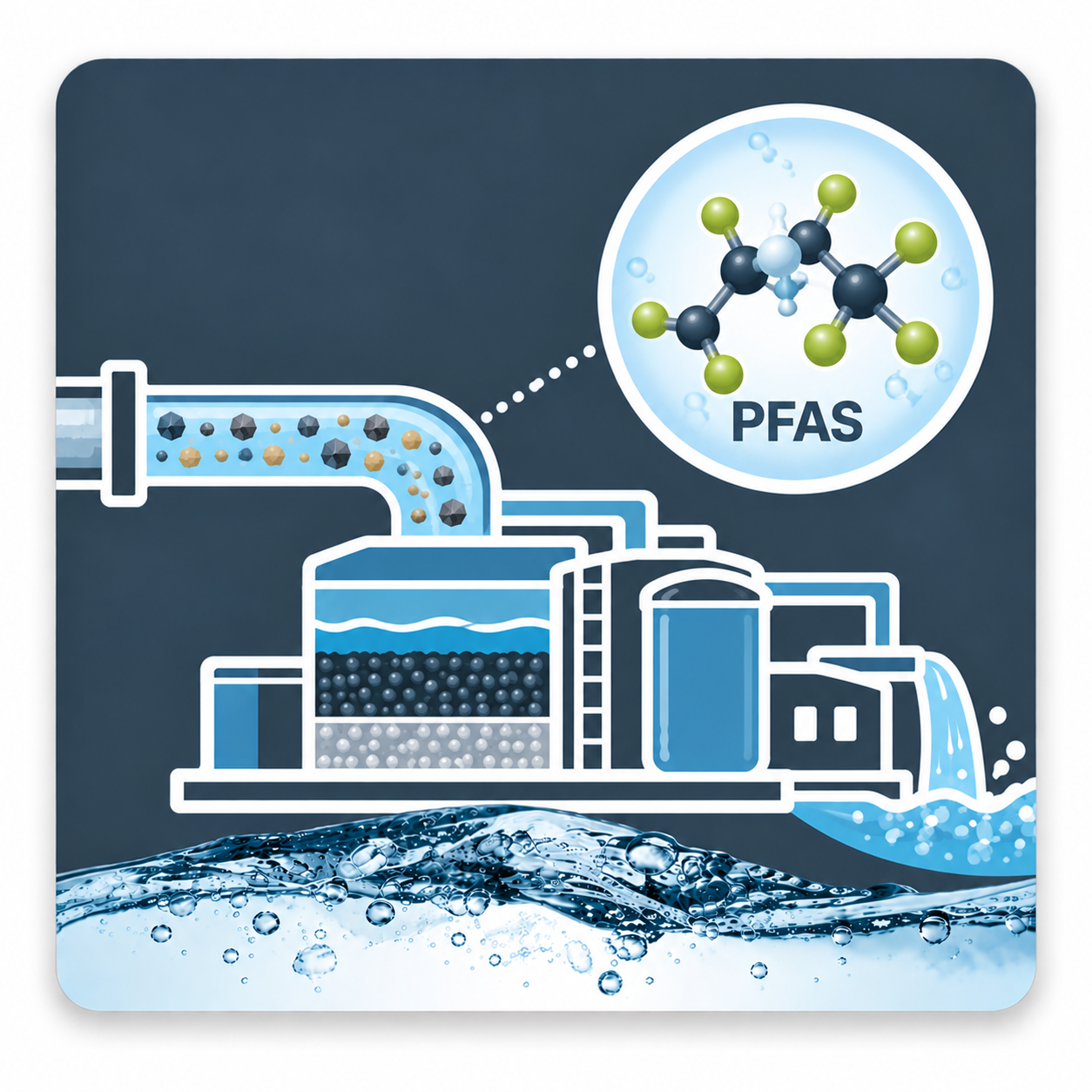
PFAS are synthetic "forever chemicals" that have been used for decades in nonstick cookware, water-resistant fabric, and firefighting foam — and they don't break down naturally in the environment or the body. They're linked to a range of health concerns and are notoriously difficult to remove with standard water treatment.
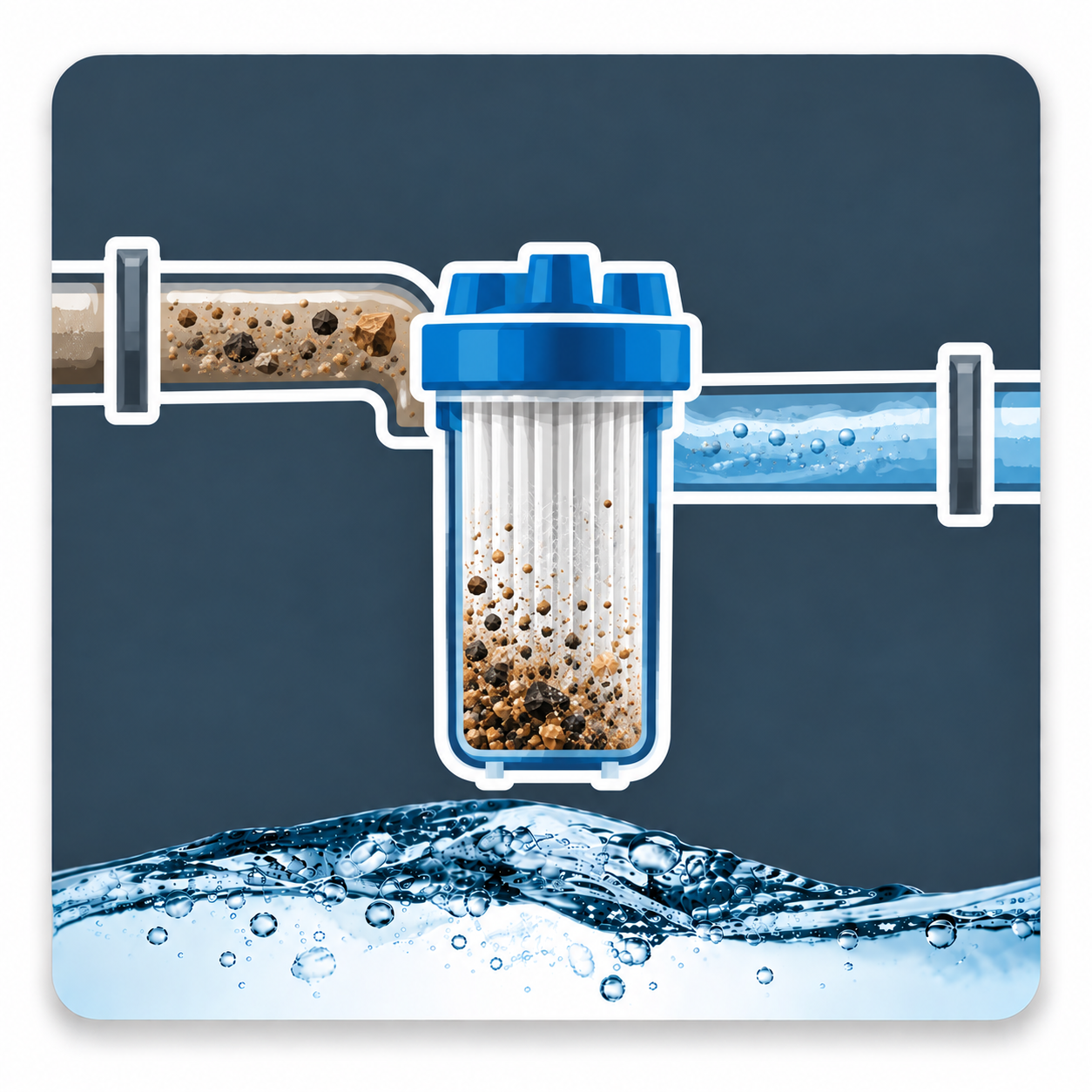
Rust and iron particles can give water a metallic taste and a reddish or brownish tint, along with staining on clothes, dishes, and fixtures. At high enough levels, they can also clog pipes and shorten the life of appliances.
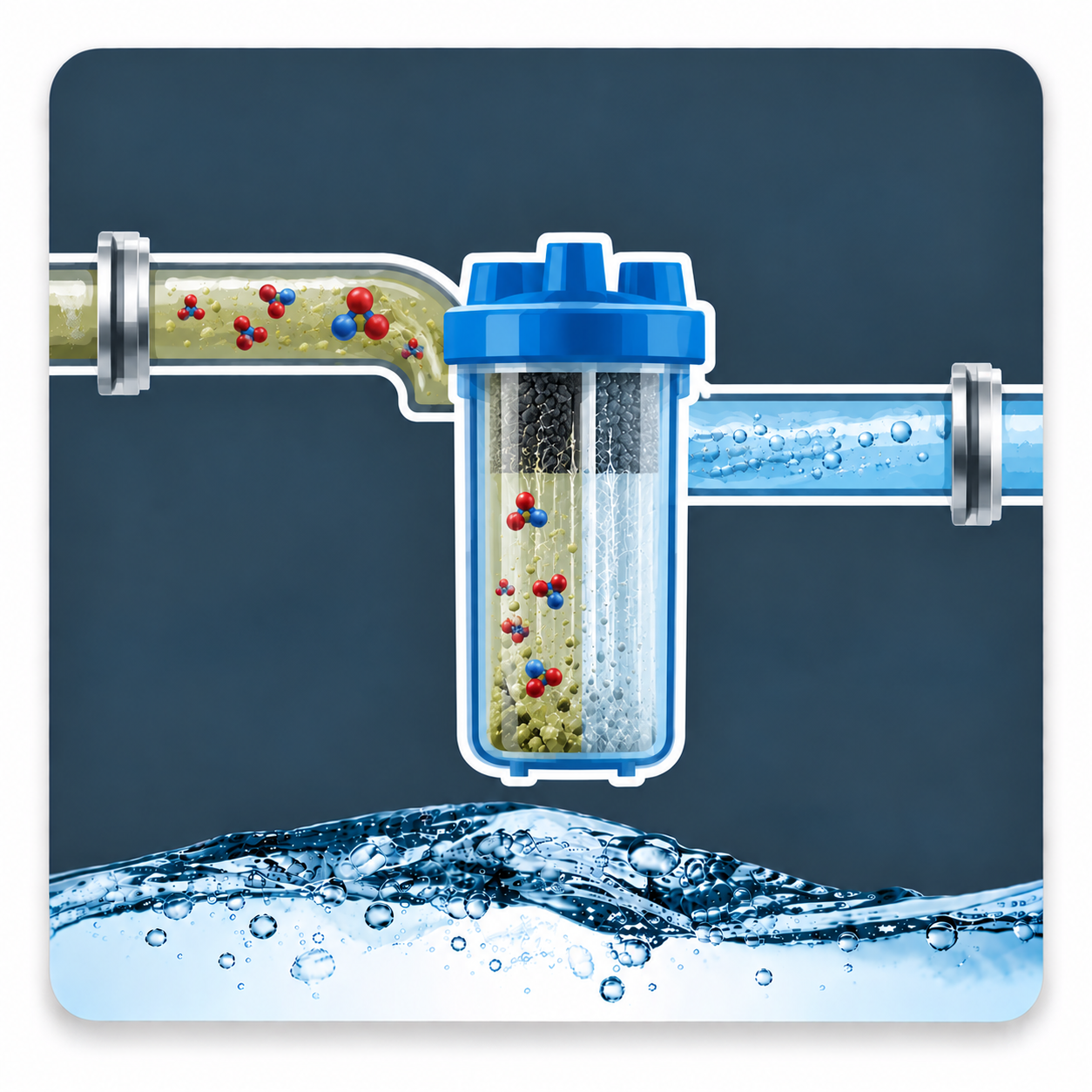
Nitrate and nitrite typically enter water through fertilizer runoff or septic systems, and can cause gastrointestinal illness at elevated levels. They're a particular concern for infants and pregnant women, which is why they're one of the first things worth testing for on a private well.
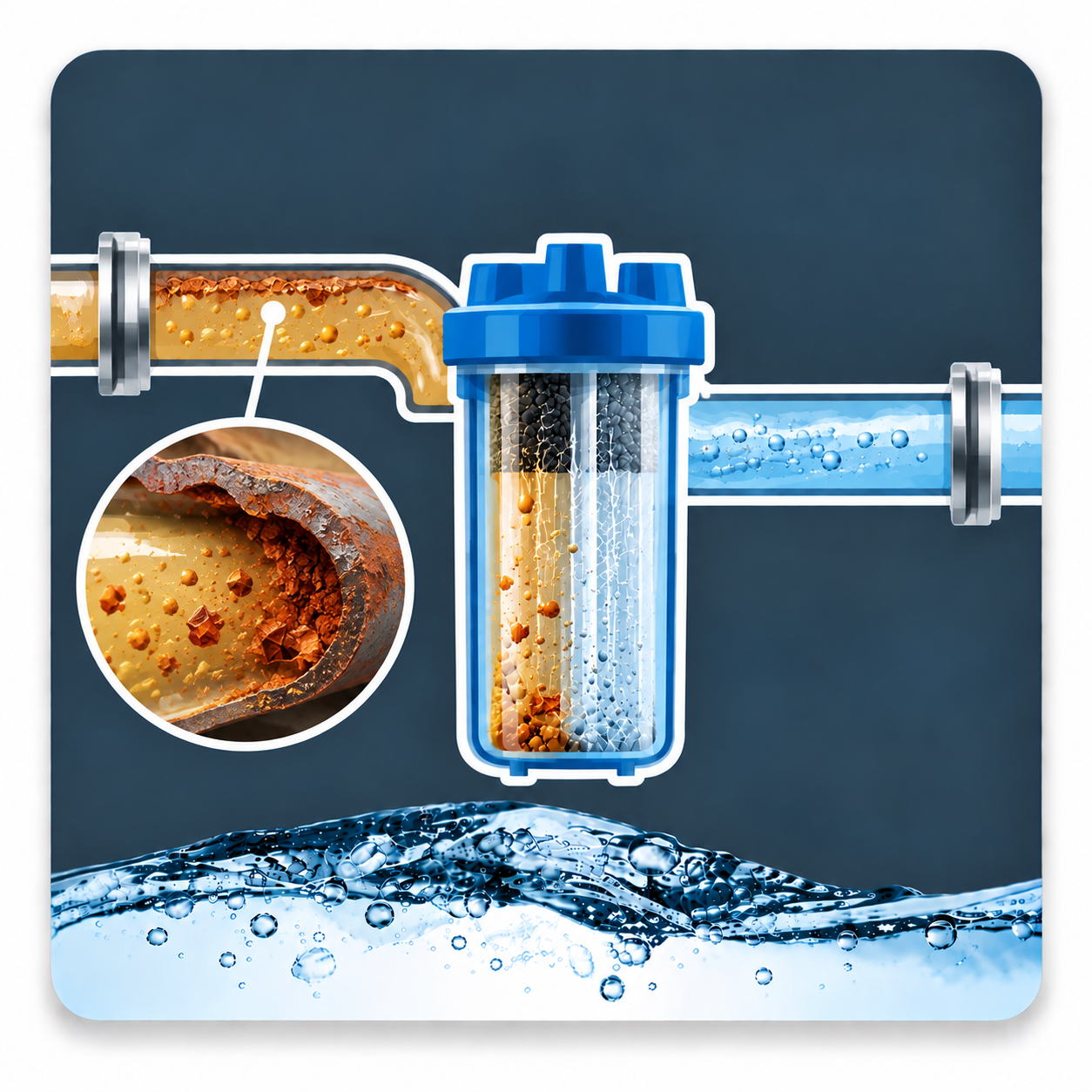
Water with a low pH is naturally corrosive. Over time it can eat away at copper pipes, appliances, and fixtures, leave blue-green stains around drains, and give water a sour or metallic taste. The bigger concern is that corrosion can pull metals like lead and copper into the water you drink.
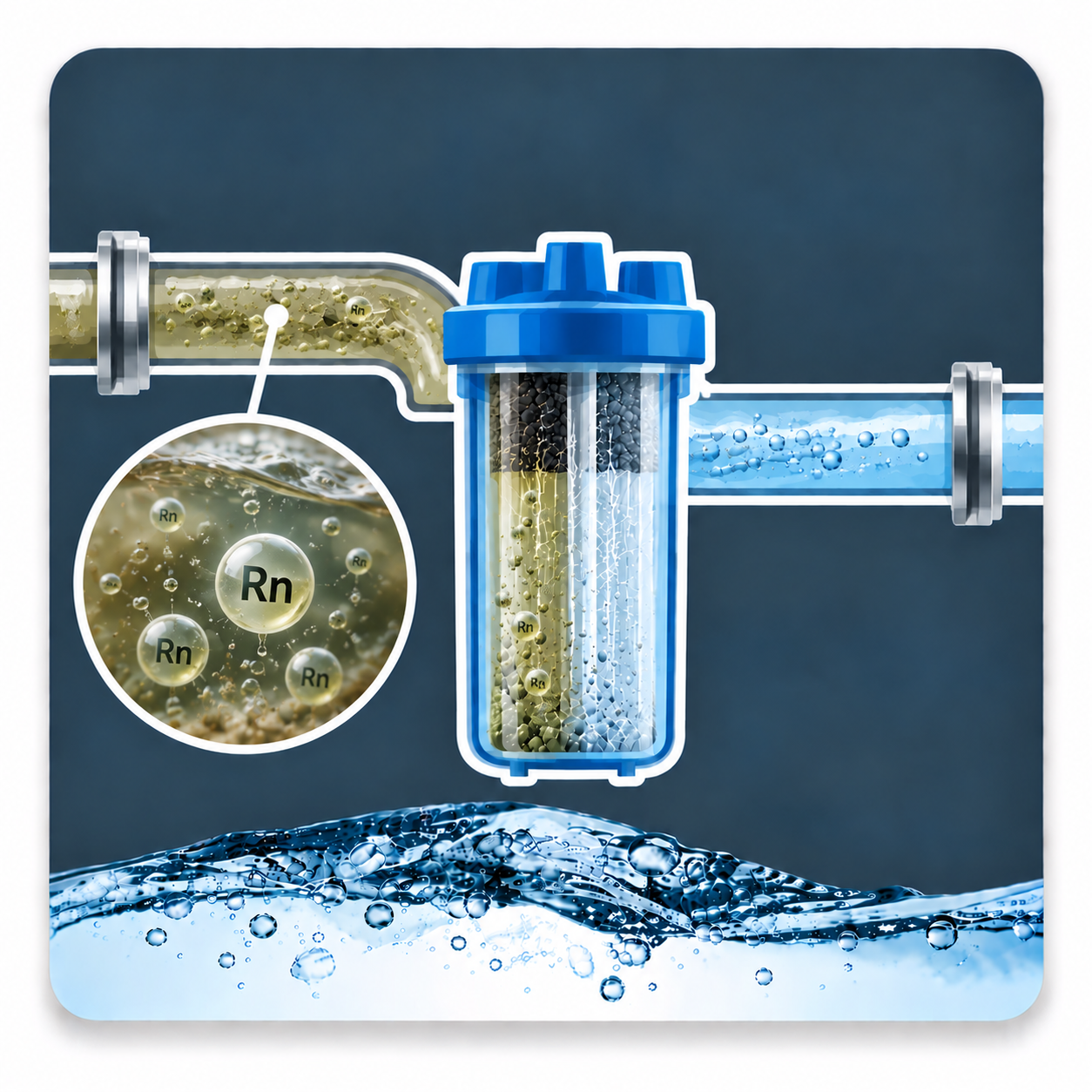
Radon is a naturally occurring radioactive gas that can dissolve into well water from the surrounding bedrock. It has no taste, smell, or color, so testing is the only way to know it's there. The main risk comes when it's released into your indoor air during showers and everyday water use, and long-term exposure is linked to lung cancer.
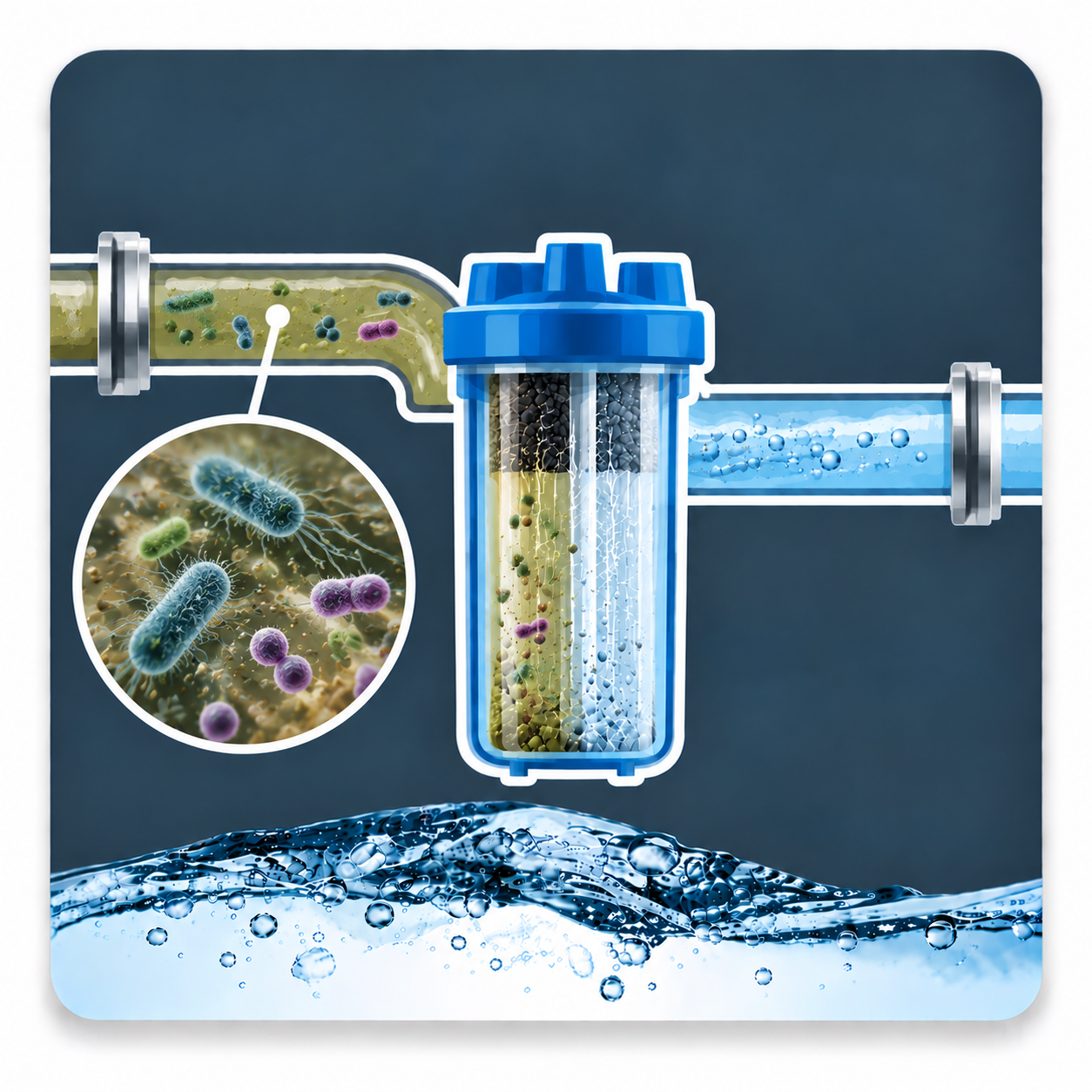
Bacteria such as E. coli, along with viruses and parasites like giardia, can get into water through a cracked well casing, flooding, or a failing septic system. They can cause stomach illness and, in some cases, serious infection. Since you can't see, smell, or taste them, regular testing is the only reliable check, especially for private wells.
What's Happening With Water Right Now

Fairfax Water has monitored PFAS since 2021. Potomac River-sourced water has stayed under the EPA's 4 ppt limit; some Occoquan Reservoir samples have run slightly over. The utility is evaluating new treatment and has sued PFAS manufacturers over contamination of both watersheds.
Read the source →
DC Water's own dashboard estimates 41,157 lead or suspected-lead service lines across the District. The Lead Free DC program is working through them — and water that's clean leaving the treatment plant can still pick up lead from an old line on the way to your tap.
Read the source →
On August 31, 2026, EPA announced $11.75 million for ten projects to make midsize and large drinking water systems more resilient — covering everything from cybersecurity upgrades to wildfire and flood protection. A reminder that a reliable tap involves a lot more behind-the-scenes infrastructure and planning than most people realize.
Read the source →
As of early July 2026, over 66% of Virginia was in severe or worse drought, with groundwater at emergency status across nearly 70% of the state. VDH has noted a moderate rise in failing private wells — drought affects water quantity, and can change water quality too.
Read the source →On June 5, 2026, DC Water issued a precautionary boil-water advisory for about 4,970 customers in Upper Northwest DC — including Chevy Chase, Tenleytown, and Cleveland Park — after a drop in water pressure. Even a well-run treatment plant can't protect against contamination risk once pressure drops in the distribution system.
Read the source →EPA is distributing nearly $2.9 billion nationwide to find and replace lead service lines, based on an estimated 4 million lead pipes still delivering water to American homes. The money flows through each state's Drinking Water State Revolving Fund — a reminder of how many layers, from federal standards to local plumbing, stand between a treatment plant and your tap.
Read the source →In May 2026, EPA announced $27.456 million for Virginia through the Drinking Water State Revolving Fund to identify and replace lead service lines — part of a $2.9 billion national appropriation aimed at the roughly 4 million lead pipes still in the ground across the country.
Read the source →In May 2026, EPA proposed letting water systems request two extra years — to 2031 — to meet the 4 ppt PFOA/PFOS limits set in 2024. The limits themselves aren't changing, just the compliance runway for utilities still building out treatment.
Read the source →A section of the Potomac Interceptor sewer line collapsed in January 2026, releasing roughly 240 million gallons of untreated wastewater before a bypass system stopped the main discharge. DC Water says drinking water was never at risk, since the spill occurred downstream of the Washington Aqueduct's intake.
Read the source →