
Hard Water and Your Home: The Slow, Expensive Damage You Don't See
Hard water doesn't break anything overnight. It just quietly shortens the life of everything it touches.
Hardness, meaning dissolved calcium and magnesium, isn't a health hazard. The EPA doesn't regulate it at all, because it isn't dangerous to drink. The cost shows up somewhere else: your plumbing, your appliances, and your utility bills.
Where the damage actually happens
As hard water heats up, the dissolved minerals crystallize into limescale. Water heaters are usually hit first, since a layer of scale on the heating element makes the unit work harder to reach the same temperature, raising energy use and shortening the tank's lifespan. The same buildup narrows pipe diameter over years, restricts flow to fixtures, and clogs the internal valves in dishwashers and washing machines.
What it looks like around the house
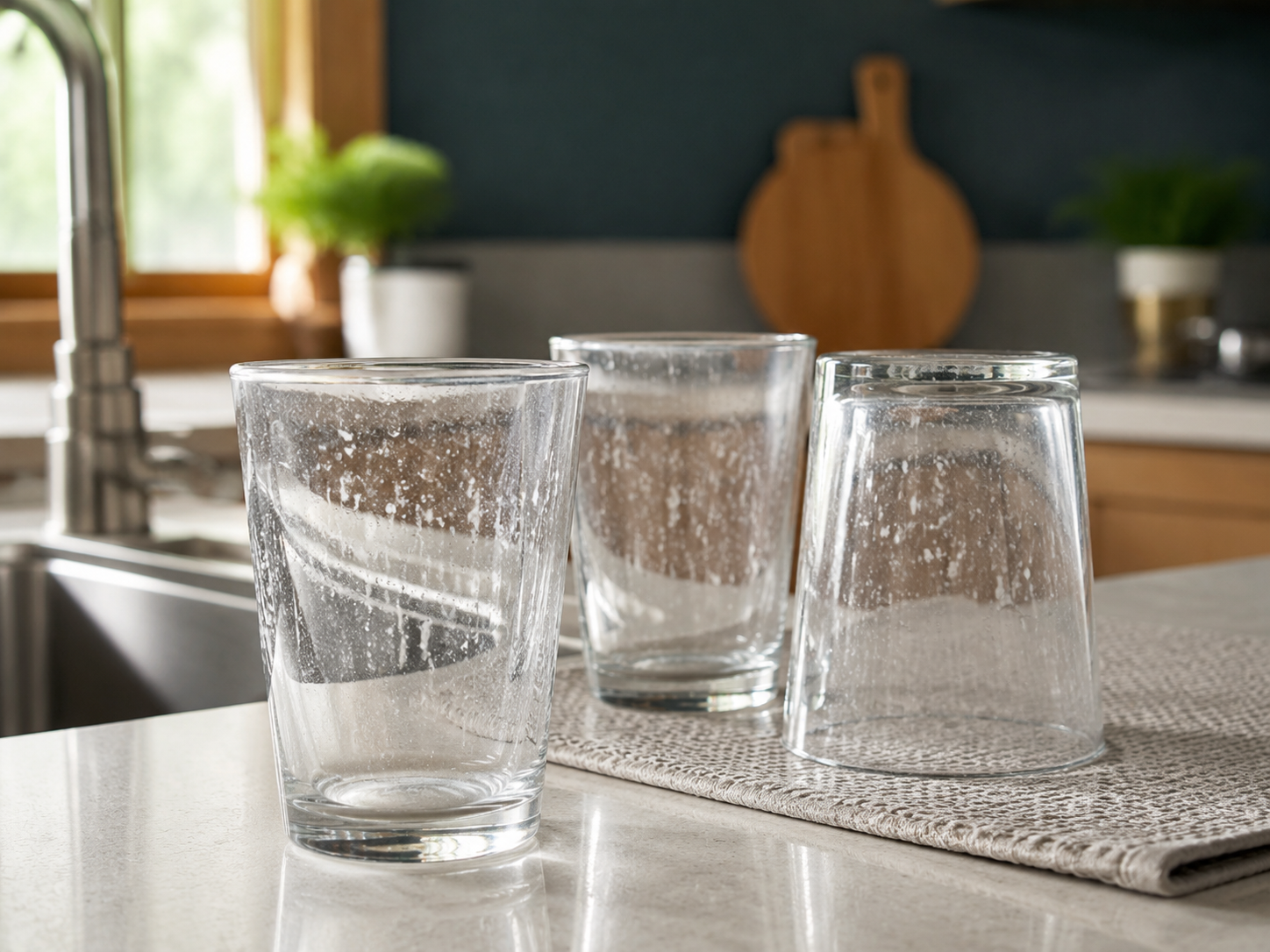
White, chalky residue on faucets and showerheads. Spots on glassware that won't rinse away. Soap and shampoo that won't lather properly, because hardness minerals react with soap instead of letting it clean. Stiff, faded laundry, because detergent can't fully rinse out of hard water.
How hard is "hard," exactly
The Water Quality Association classifies water as soft below 3.5 grains per gallon, moderately hard from 3.5 to 7, hard from 7 to 10.5, and very hard above that. Much of the DMV, supplied by the mineral-rich Potomac River and Occoquan Reservoir, falls in the moderately hard to hard range, which is enough to cause the effects above over time, even if it's not dramatic day to day.
The fix is upstream, not in each appliance
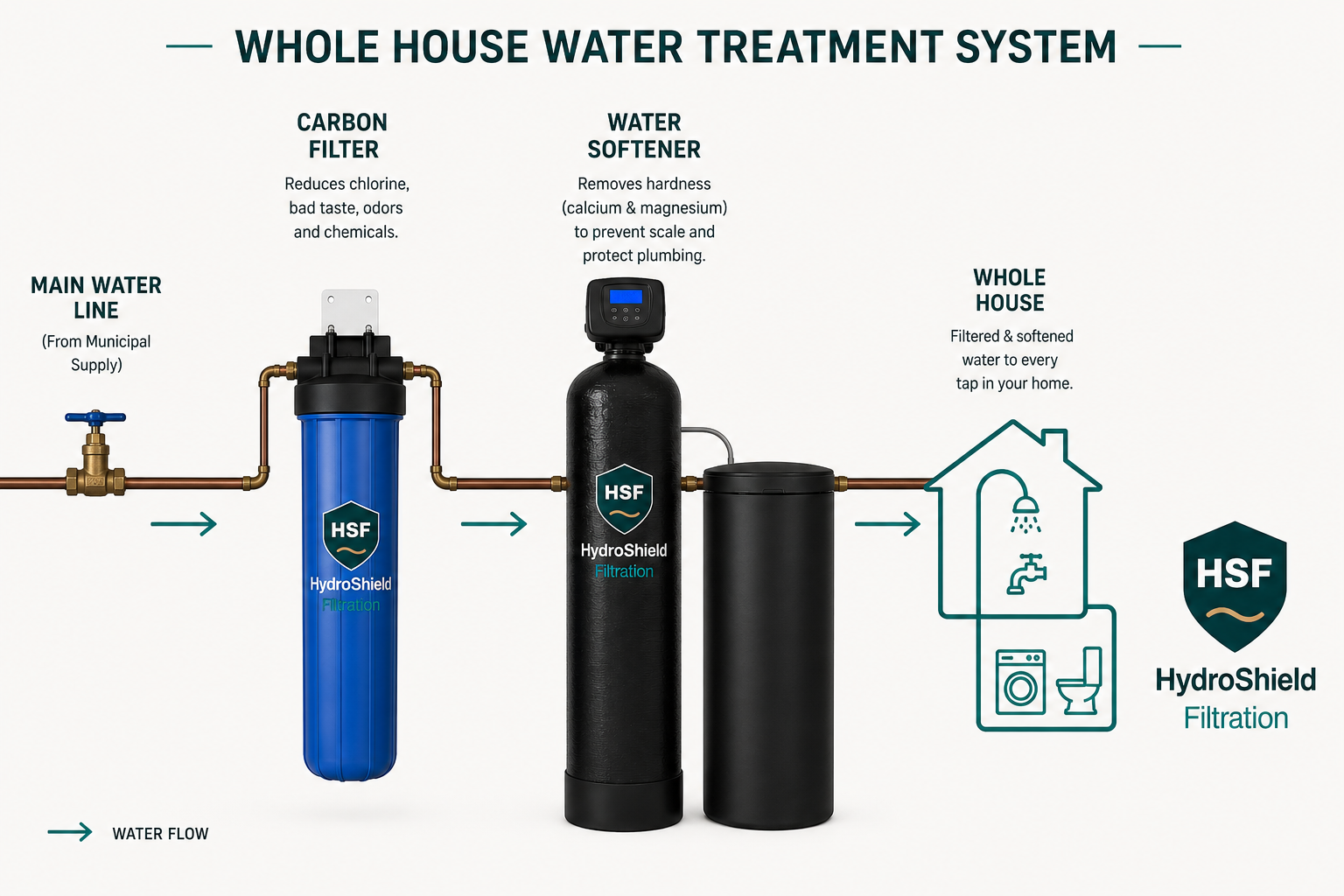
A softener installed at the main line treats the water once, for the whole house, instead of fighting the symptoms fixture by fixture. It's a maintenance decision as much as a comfort one; extending the life of a water heater alone often pays for the difference.